Woking station upholstery cleaning after party stain removal
Posted on 12/08/2026
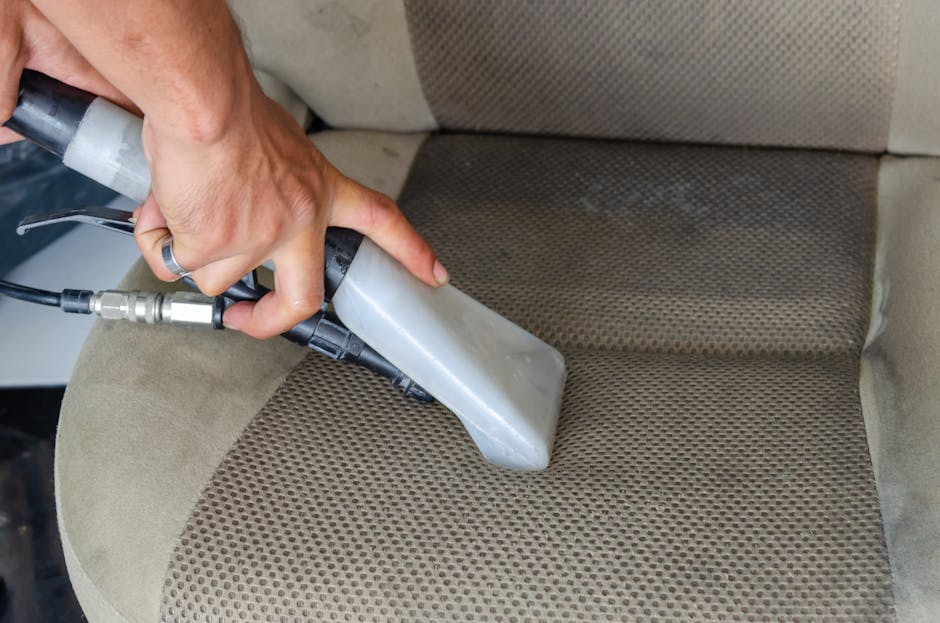
If you have just hosted a celebration near Woking station, you probably already know the scene: a tired sofa, a faint wine mark on the arm, maybe a sticky patch from dessert, and that slightly stale smell that seems to appear the morning after a good night. Woking station upholstery cleaning after party stain removal is about fixing that mess properly, before it settles in and becomes a permanent reminder of the evening. The trick is not just making the fabric look cleaner. It is removing residue, protecting the fibres, and avoiding the sort of DIY mistake that turns a small stain into a bigger one. This guide walks through what works, what doesn't, and how to make a sensible decision if you need help fast.
Why Woking station upholstery cleaning after party stain removal Matters
Party stains are rarely just "one mark on one chair". In real life, they tend to arrive in clusters. A splash of red wine on the settee, a greasy smudge on a dining chair, a dropped can of beer, maybe some glitter that will never fully leave the room no matter how hard you vacuum. Upholstery is especially vulnerable because it absorbs liquid quickly and traps odour deep inside the fabric and padding.
That matters even more in busy homes, rented properties, guest houses, offices used for social events, or venues close to transport hubs like Woking station where people come and go quickly. If a stain sits too long, it can oxidise, spread, or leave a tide line. And if you treat the wrong fabric with the wrong product, you can damage the pile, distort the colour, or leave behind a sticky residue that attracts even more dirt. Not ideal, to be fair.
Good upholstery cleaning after a party is not just about appearances. It helps preserve the furniture, keeps the room fresher, and can be the difference between a quick recovery and a costly replacement. If you are dealing with a larger property clean-up, it may also make sense to look at related services such as one-off cleaning support in Surrey or broader service options when the whole place needs attention after hosting.
Expert summary: the sooner upholstery stains are treated, the better the outcome tends to be. Fast action, correct fabric identification, and careful drying matter more than scrubbing power.
How Woking station upholstery cleaning after party stain removal Works
The process is usually more methodical than people expect. A proper cleaner does not simply spray something on and hope for the best. They assess the fabric, identify the stain type, decide on the safest treatment, and then work in stages so the material is cleaned without over-wetting it.
1. Inspection and fabric identification
First comes the look-over. Natural fibres, synthetic fibres, velvet, chenille, wool blends, and coated fabrics all respond differently. A quick check tells the cleaner whether the stain is likely water-based, oily, sugary, protein-based, or a mix of several things. Party stains are often mixed, which is why a "one product fixes everything" approach can go wrong pretty fast.
2. Dry soil removal
Before liquid treatment, loose debris is removed. Think crumbs, confetti, dried mud from shoes, and crumbs from canape trays. This step sounds small, but it stops particles being driven deeper into the upholstery during cleaning.
3. Spot treatment
Specialist pre-treatments are then applied to the stain area. A wine stain may need a different approach from grease, candle wax, or makeup transfer. The cleaner works carefully from the outside of the mark inward, which helps prevent the stain from spreading.
4. Deep cleaning method
Depending on the fabric and the soil level, a technician may use low-moisture cleaning, hot water extraction, or a gentle encapsulation-style method. The goal is to lift contamination while keeping the upholstery stable. On delicate pieces, minimal moisture and controlled agitation are usually safer. In a practical sense, that means no soaking, no harsh brushing, and no impatient fiddling while the room smells faintly of cleaning agent.
5. Neutralising odours and residue
After the stain is lifted, the upholstery may still need neutralising if drink spillages, smoke, perfume, or food odours have soaked in. This is often the bit people forget. A chair can look clean and still smell like last Saturday. Not fun.
6. Drying and final grooming
Finally, the fabric is groomed and allowed to dry properly. Good airflow is important. Over-wetting or under-drying can leave rings, water marks, or a musty smell. That's the stage where patience pays off.
Key Benefits and Practical Advantages
There are plenty of reasons people choose professional help instead of trying a random internet hack. Some are obvious, others only become obvious after the first failed attempt.
- Better stain removal: professional methods usually do a better job on set-in wine, food, and drink marks.
- Fabric protection: the right technique helps avoid colour bleed, shrinkage, or texture damage.
- Odour control: spill residue and party smells are treated, not just masked.
- Longer furniture life: routine care reduces wear and keeps upholstery looking usable for longer.
- Less stress: you do not spend Sunday morning panicking over a patch of red on the arm of the sofa.
- Better presentation: useful for homes, rentals, hospitality settings, and business spaces that need to look tidy quickly.
There is also a quieter benefit: confidence. Once the furniture is genuinely clean, the room feels reset. People often notice that more than the actual stain. You walk back in, see the fabric looking even again, and the whole atmosphere changes. A small thing, maybe. But a meaningful one.
If your cleaning needs extend beyond upholstery, it can help to review related support such as carpet cleaning services or deep cleaning in Guildford when the aftermath reaches more than just the furniture.
Who This Is For and When It Makes Sense
This service is not only for people who have had a very lively party. It is for anyone dealing with upholstery that has picked up stains, odours, or dulling from an event. That could be a family home after a birthday gathering, a rental property after a housewarm, or an office lounge after an end-of-quarter celebration. The setting changes; the problem is surprisingly similar.
It makes sense when:
- the stain is visible and not lifting with simple blotting;
- the fabric has absorbed drink spillages or food residue;
- there is a smell that won't go away;
- you are worried about damaging a delicate material;
- the furniture needs to be presentable again quickly;
- you have already tried a DIY method and the mark has spread.
If you are planning events regularly, it may also help to read about popular party spaces in Surrey and think ahead about how furniture protection and post-event cleaning fit into your plans. Slightly boring before the event, massively useful after it.
For landlords and property owners, good upholstery care can also support the wider presentation of a place. That matters in a practical sense, especially if the furniture is part of a furnished letting or a sales viewing. Articles like your Surrey real estate investment guide can help frame why maintaining interiors is not just cosmetic but part of protecting value.
Step-by-Step Guidance
If you catch the stain early, follow this process. Keep it calm. No heroic scrubbing, no frantic pouring of products, and definitely no "I'll just rub it harder".
- Blot immediately. Use a clean white cloth or plain paper towel. Press gently to absorb liquid. Do not rub.
- Remove loose solids. Pick up crumbs or food pieces carefully with a spoon or blunt edge.
- Check the care label. Look for cleaning codes or manufacturer guidance if available. If you are unsure, test in a hidden area.
- Identify the stain. Wine, coffee, grease, ketchup, chocolate, makeup, and candle wax all need different handling.
- Use the mildest safe method first. For many fresh marks, a little controlled moisture is enough. Harsh products are usually unnecessary at first pass.
- Treat carefully. Apply the solution to the cloth, not directly to the fabric, unless you know the material can handle it.
- Blot again. Lift the stain in stages rather than soaking the area.
- Rinse lightly if needed. Remove residue so the area does not become sticky.
- Dry properly. Use airflow. Open a window if the weather allows. A fan is often helpful.
- Call a professional if the stain remains. If the mark is still visible after two careful attempts, stop before you make it worse.
A simple rule of thumb: the older and darker the stain, the more likely it is to need specialist treatment. Time really does matter here.
Expert Tips for Better Results
A few small decisions make a huge difference. These are the things that often separate a decent result from a proper one.
- Work from the outside in. This reduces the chance of spreading the stain.
- Use white cloths only. Coloured cloths can transfer dye, especially when damp.
- Keep moisture controlled. Upholstery should be cleaned, not flooded.
- Deal with odour as well as appearance. Smell often lingers after the visible stain improves.
- Treat the whole cushion panel if necessary. Spot-cleaning a tiny area can leave a patchy finish.
- Dry faster, but gently. Air movement is better than heat blasting, which may set some marks.
- Consider the room conditions. A cool, damp room slows drying and can create a stale after-clean smell.
One small real-world observation: stains often look worse under daylight than they do under warm indoor lighting. So if you are checking progress in the evening and think "that's fine", have another look in the morning. Annoying, yes. Useful, also yes.
If you want an easier starting point for future planning, the company's pricing and quotes information and quote request page can help you judge whether a fast professional clean is the better move than another evening spent dabbing at a chair.

Common Mistakes to Avoid
Most upholstery damage happens because someone was trying to help. Bit unfair, but true. Here are the mistakes that come up again and again.
- Scrubbing aggressively: this pushes the stain deeper and can rough up the fibres.
- Using too much water: oversaturation can cause rings, swelling, or musty odours.
- Applying bleach or strong household chemicals: these may discolour the fabric or weaken it.
- Ignoring the filling and seams: spills often travel beyond the visible mark.
- Drying too slowly: lingering dampness can lead to odour or mould risk in bad conditions.
- Testing on the visible area first: always test somewhere hidden, if possible.
- Mixing products: that can create unexpected reactions and is rarely worth the gamble.
There is also the "I'll leave it until tomorrow" mistake. Sometimes that is fine. Often it is not. Sugary drinks, wine, and food grease tend to bond more stubbornly as they sit. If the party ended at midnight and the sofa still needs attention the next morning, start soon rather than later.
Tools, Resources and Recommendations
You do not need a van full of specialist kit to handle the basics, but a few sensible items make the job much safer.
| Item | Best use | Why it helps |
|---|---|---|
| White microfibre cloths | Blotting and gentle lifting | They are absorbent and reduce dye transfer risk |
| Soft upholstery brush | Light fibre grooming | Helps restore pile without rough treatment |
| Handheld extraction or spot tool | Controlled deeper cleaning | Useful where stains are larger or older |
| Clean spray bottle | Applying mild solution | Lets you control the amount of liquid |
| Fan or good ventilation | Drying | Reduces lingering dampness and smell |
For wider household upkeep after an event, a related spring cleaning approach in Surrey can be useful if the job has spread from the sofa to floors, skirting boards, and surfaces. And if the upholstery is part of a rental turnover, end of tenancy cleaning in Guildford may be the more practical route.
On the business side, if the event has taken place in a workplace or reception area, office cleaning support can help restore a professional feel without dragging the issue out for days.
Law, Compliance, Standards, or Best Practice
For upholstery cleaning itself, there is not usually a special legal rule that dictates exactly how a stain must be removed. But there are still sensible standards and best practices to follow, particularly around safety, product use, and property care.
In the UK, a responsible cleaning approach should consider fabric manufacturer guidance, safe handling of cleaning agents, proper ventilation, and the condition of the surrounding property. If a cleaner is working in a home, a rented property, or a business setting, they should avoid creating slip hazards, using unsuitable chemicals, or leaving furniture damp for too long. That sounds obvious, but in the rush after an event, obvious things get missed. Everyone knows this. Still happens.
Where rental or commercial premises are involved, basic duty of care matters. That means taking reasonable steps to prevent damage, respecting any property-specific instructions, and working in a way that does not create avoidable health or safety issues. If you are arranging a professional visit, it is sensible to ask about insurance, treatment methods, and what happens if the fabric is unusually delicate. The company's insurance and safety information and health and safety policy are the kinds of pages that should give you confidence before anyone starts cleaning.
For customers who like clarity around service terms, terms and conditions and payment and security are worth checking too. Not glamorous. Still useful.
Options, Methods, or Comparison Table
Choosing the right approach depends on the stain, fabric, and timing. A fresh fizzy drink spill is not the same as a week-old red wine mark on a velvet chair. Here is a simple comparison.
| Method | Best for | Pros | Watch-outs |
|---|---|---|---|
| Immediate blotting and mild spot treatment | Fresh spills | Fast, low-cost, fabric-friendly | May not remove deep residue or odour |
| Low-moisture professional upholstery cleaning | General party stains, delicate fabrics | Controlled, safer on many textiles, quicker drying | May need more than one pass for stubborn marks |
| Hot water extraction | Robust fabrics with deeper soiling | Can lift embedded grime effectively | Not suitable for every upholstery type |
| Full deep clean after a large event | Multiple stains or widespread dirt | More complete reset of the room | Takes longer and may need more planning |
There is no magic "best" method for every situation. A careful match between fabric and technique matters more than the name of the method. That's the honest answer, even if it sounds a bit less dramatic.
Case Study or Real-World Example
Imagine a small flat near Woking station after a Friday night gathering. There is a red wine splash on one sofa cushion, ketchup on a dining chair, and a faint smell of food and drinks in the sitting room. The homeowner tries blotting the wine with kitchen roll, then dabs the area with a detergent mix. The mark lightens, but it spreads into a larger pale ring. Classic.
At that point, a sensible cleaner would stop the DIY cycle and assess the fabric. If the sofa is a synthetic blend, a gentle pre-treatment plus controlled extraction may be enough to even out the mark and remove the residue. The dining chair might only need a targeted clean. The smell could be dealt with through odour-neutralising treatment and good drying.
The practical lesson is simple: the first few minutes after a spill are valuable, but they are not the moment for guesswork. A steady approach usually gives a better finish than chasing the stain around with more product. In our experience, people are often surprised by how much better the room feels once the upholstery, not just the visible mark, has been handled properly.
For readers comparing providers or planning future work, the company's about us page can help you get a feel for the business, while same-day quote guidance for Guildford GU1 is a useful example of how quickly cleaning help can sometimes be arranged when timing is tight.

Practical Checklist
Use this checklist when a party stain lands on upholstery and you want the best chance of saving the fabric.
- Act quickly and blot, do not rub.
- Identify whether the stain is liquid, greasy, sugary, or mixed.
- Check any care label or manufacturer guidance.
- Test a cleaning solution somewhere hidden first.
- Use minimal moisture and a clean white cloth.
- Avoid bleach, strong solvents, or random kitchen experiments.
- Do not overwork the fabric pile.
- Allow proper drying with ventilation.
- Watch for odour after the visible mark fades.
- Call a professional if the stain is older, larger, or on a delicate fabric.
If you are dealing with a wider mess after hosting, it may also be sensible to pair upholstery cleaning with general house cleaning in Surrey. That often feels more efficient than handling everything piecemeal over several days.
Get a free quote today and see how much you can save.
Conclusion
Woking station upholstery cleaning after party stain removal is really about recovery done properly. One evening of celebration should not leave a sofa, armchair, or banquette looking worn out for months. With the right first response, sensible cleaning methods, and timely professional support when needed, most party marks can be managed far better than people expect.
The key is to treat the fabric with respect. Keep the moisture controlled, choose the right method, and do not let a small spill become a permanent household story. If the aftermath feels a bit overwhelming, that is normal. A lot of people reach that point after entertaining. The good news is that clean, fresh upholstery is usually very achievable. And once the room is back to normal, everything feels lighter, somehow.
Sometimes the best fix is simply getting help before the stain settles in and tells its own little tale.


